
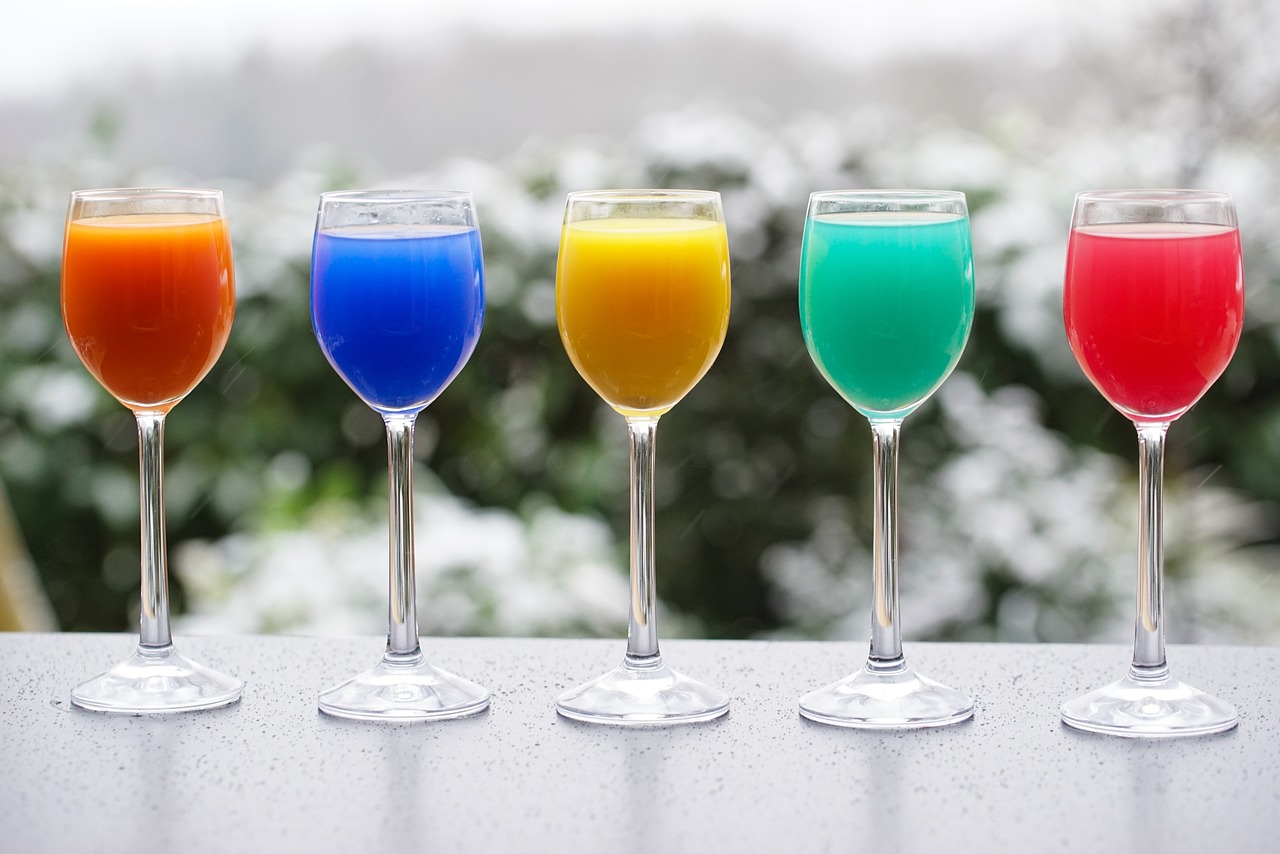
The short answer
The best non-alcoholic drinks in Boston right now are ready-to-drink mocktails like Little Saints’ Paloma and Classic Spritz, zero-proof “spirits” you mix yourself, a non-alcoholic lager, and sipping elixirs such as Drømme Awake. You’ll find all of them on one shelf at deVINE Boston, 619 E Broadway in South Boston, open 10am to 10pm daily. Check the label for “0.0%” or “alcohol free” if you need zero alcohol, since “non-alcoholic” can legally mean up to 0.5%.
Coaches hear the same line every November: “I’m doing great with training, but then there’s Thanksgiving, then the work party, then New Year’s.” The training plan usually survives. The drinks are what knock people off course.
The good news is that the alcohol-free shelf has changed completely. A few years ago your options were soda water with a lime or a sugary “virgin” cocktail. Now there are canned mocktails with real bitterness, non-alcoholic lagers that taste like lagers, and zero-proof spirits designed to be mixed the way you’d mix gin or whiskey.
This guide ranks seven non-alcoholic drinks worth buying in Boston, explains what “non-alcoholic” actually means on a label, and covers the few things people trying to cut back tend to get wrong.
Why more people in Boston are skipping the booze
Part of it is training goals. Part of it is sleep. And part of it is a growing awareness of what alcohol does long term.
In January 2025, the U.S. Surgeon General issued an advisory on alcohol and cancer risk describing alcohol as the third leading preventable cause of cancer in the United States, after tobacco and obesity. The advisory links alcohol to at least seven types of cancer and estimates about 100,000 alcohol-related cancer cases and about 20,000 related deaths in the U.S. each year. It also notes that risk rises as consumption rises.
You don’t have to quit drinking entirely to benefit from good alternatives. Even swapping one drink in three for a zero-proof option cuts your total. And it helps to know what a “drink” really is: the National Institute on Alcohol Abuse and Alcoholism defines a U.S. standard drink as any beverage containing about 14 grams, or 0.6 fluid ounces, of pure alcohol. A generous restaurant pour or a strong craft beer can easily be two.
“Non-alcoholic” vs. “alcohol free”: read the small print
This is the label detail that trips up the most people, especially anyone who needs to avoid alcohol completely.
Under federal rules from the Alcohol and Tobacco Tax and Trade Bureau, a malt beverage labeled “non-alcoholic” must contain less than 0.5% alcohol by volume, and that statement has to appear next to the term on the label. A product labeled “alcohol free” must contain no alcohol at all. The TTB spells this out in its guidance on malt beverage alcohol content.
For many people, a trace under 0.5% isn’t a concern. But if you’re pregnant, in recovery, taking a medication that interacts with alcohol, or avoiding it for religious reasons, look specifically for “0.0%” or “alcohol free,” or check the brand’s product page.
All the drinks ranked below are described by their makers as containing no alcohol, but always read the can or bottle you actually buy.
The 7 best non-alcoholic drinks in Boston
Ranked by how often I’d actually reach for them, then by value. Prices were listed in late October 2026.
1. deVINE Boston: the shop to start with
Before the individual drinks, the shop. deVINE’s South Boston wellness shop has been on East Broadway since 2019 and keeps a wide zero-proof shelf: canned mocktails, non-alcoholic wine and lager, zero-proof spirits, and sipping elixirs, all in one walk-through.
Why it stands out: You can build a full alcohol-free bar in one stop instead of hunting across a liquor store’s tiny “NA” shelf. The product pages list what’s in each drink, including the functional botanicals some brands add, so you’re not guessing.
Best for: Anyone stocking up for the holidays or trying alcohol-free drinks for the first time.
What to know: It’s at 619 E Broadway, open 10am to 10pm daily. Call (617) 315-7636 to check which flavors are in stock, since popular ones sell out.
2. Little Saints Paloma: the best canned mocktail for most people

If you’re only going to try one canned mocktail, start here. The Little Saints non-alcoholic Paloma comes in an 8oz can with notes of grapefruit, citrus rind, and a hint of agave. Little Saints adds organic reishi mushroom and aromatic terpenes, and the drink contains no alcohol. It’s $7 a can.
Why it stands out: Grapefruit is a flavor that holds up without alcohol, so this tastes like a real drink rather than juice.
Best for: Weeknight dinners, backyard gatherings, and anyone who used to order tequila sodas.
What to know: Pour it over ice with a squeeze of lime. Little Saints describes reishi as a functional ingredient; treat it as part of the recipe, not a reason to drink more.
3. Little Saints Classic Spritz: the aperitivo hour drink

Little Saints’ Classic Spritz is a non-alcoholic take on the Aperol Spritz: citrusy, lightly bitter, sparkling, and made with zero grams of sugar. It’s built on the brand’s stack of organic reishi mushroom, lion’s mane mushroom, and damiana flower. Also $7 for an 8oz can.
Why it stands out: Zero sugar matters if you’re tracking intake, and the bitterness makes it feel grown-up.
Best for: Pre-dinner drinks and holiday parties where you want something that looks like everyone else’s glass.
What to know: Serve it in a wine glass over ice with an orange slice. If you prefer floral to bitter, Little Saints’ Hugo Spritz with elderflower and mint is the alternative.
4. Little Saints zero-proof spirit flasks: for people who like to mix
If you enjoy making drinks more than opening cans, the Little Saints non-alcoholic spirit flasks are the most flexible pick on the list. There are three: St. Oak, a non-alcoholic whiskey alternative with notes of vanilla, caramel, and cardamom for Old Fashioneds; St. Ember, for smoky, citrus-forward cocktails; and St. Juniper, for gin-style drinks. They’re powered by lion’s mane and sized to fit a pocket or purse. Each is $15.
Why it stands out: One flask turns soda water, citrus, and bitters into a proper mixed drink.
Best for: Home bartenders and anyone who misses the ritual of building a cocktail.
What to know: Non-alcoholic spirits don’t behave exactly like the real thing. Use slightly less dilution and more citrus or bitters to give drinks structure. This video from bartender Anders Erickson shows four easy non-alcoholic builds that work well as templates:
5. Drømme Awake zero-proof elixir: the special-occasion bottle

For hosting or gifting, the Drømme Awake zero-proof elixir is the bottle to bring. It’s crafted with a blend of botanicals, adaptogens, and nootropics, with a bright, tart base of pomegranate and hibiscus and a warm pepper finish. You can sip it on its own or use it as a cocktail base. It’s $46.
Why it stands out: It’s built as a sipping drink, which is rare in this category.
Best for: Dinner parties and as a host gift when you know the host doesn’t drink.
What to know: Its sister bottle, Drømme Calm, was out of stock when I checked. If you’re sensitive to adaptogens or nootropic ingredients, read the full label first and ask your doctor if you take medication.
6. Curious Zero Lion’s Mane Lager: the beer stand-in
For the friend who just wants “a cold one,” Curious Zero Lion’s Mane Lager is a non-alcoholic lager in an 11.5oz bottle with 400mg of lion’s mane mushroom extract, per Curious Elixirs. It’s light and crisp, contains no THC or CBD, and is listed at 0% alcohol. It’s $9.
Why it stands out: It’s built to taste like a clean lager, which is the hardest flavor to fake without alcohol.
Best for: Game days, cookouts, and the post-run beer habit.
What to know: Drink it very cold. Non-alcoholic beers taste flatter as they warm up.
7. Little Saints Espresso Martini: the after-dinner pick
The Little Saints Espresso Martini is a non-alcoholic take on the classic, with notes of chocolate, espresso, and vanilla, equal parts creamy and bubbly. It contains organic reishi mushroom, damiana, and a touch of caffeine. $7 for an 8oz can.
Why it stands out: Dessert-style mocktails are rare, and this one fills the “nightcap” slot.
Best for: The end of a dinner party when everyone else is ordering a digestif.
What to know: It contains caffeine, so skip it late at night if you’re sensitive.
Boston non-alcoholic drinks compared
| Drink | Style | Size | Sugar / caffeine notes | Price |
|---|---|---|---|---|
| Little Saints Paloma | Canned mocktail | 8oz | See can | $7 |
| Little Saints Classic Spritz | Canned aperitivo | 8oz | Zero sugar | $7 |
| Little Saints spirit flasks | Zero-proof spirit | Flask | Mix to taste | $15 |
| Drømme Awake | Sipping elixir | Bottle | Contains botanicals, adaptogens, nootropics | $46 |
| Curious Zero Lion’s Mane Lager | Non-alcoholic lager | 11.5oz | 0% alcohol, no THC or CBD | $9 |
| Little Saints Espresso Martini | Canned mocktail | 8oz | Contains a touch of caffeine | $7 |
What to look for in any non-alcoholic drink
Alcohol content. “Non-alcoholic” can mean up to 0.5% under federal rules for malt beverages. If you need none, look for “alcohol free” or “0.0%.”
Sugar. Some mocktails replace alcohol with a lot of juice or syrup. If you’re watching calories, check the nutrition panel, and favor bitter, dry styles like spritzes.
Caffeine. Espresso-style and “energy” drinks may contain caffeine, which can affect sleep even if the can says alcohol free.
Functional ingredients. Many brands now add mushrooms like reishi or lion’s mane, herbs like damiana, adaptogens, or amino acids. These are added to the recipe, and most don’t have strong evidence behind any specific benefit. If you take medication, are pregnant, or have a health condition, read the full ingredient list and check with your doctor.
Flavor that holds up. Bitter, sour, smoky, and spicy flavors survive the loss of alcohol better than sweet ones. That’s why spritzes, palomas, and ginger mules tend to be the best entry points.
How to use non-alcoholic drinks to cut back without feeling deprived
Swapping drinks works best with a plan. A few habits that help:
- Alternate. At a party, have a zero-proof drink between each alcoholic one. It slows your pace and keeps something in your hand.
- Lead with the alcohol-free option. The first drink of the night is often the one you’re thirstiest for. Make it the non-alcoholic one.
- Bring your own. Show up to a gathering with a four-pack of mocktails or a bottle of zero-proof spirit. You’ll rarely be the only one who drinks it.
- Use the right glass. A mocktail in a wine glass or rocks glass feels like a drink. A can in your hand feels like a compromise.
- Count your drinks honestly. Knowing what a standard drink is makes it easier to see how much you actually have on a typical night.
Three easy zero-proof builds
You don’t need a bar cart to make a good alcohol-free drink. These three use the products above plus things you probably already have.
The tall paloma. Fill a highball glass with ice. Add a squeeze of fresh lime and a pinch of salt, then pour in a can of Little Saints Paloma. Top with a splash of soda water if you want it lighter. Garnish with a grapefruit or lime wedge. The salt is the trick; it brightens the grapefruit the way tequila would.
The zero-proof Old Fashioned. In a rocks glass, add about 2 ounces of St. Oak, a small spoon of maple or simple syrup, and a strip of orange peel twisted over the glass to release the oils. Stir with one large ice cube for 20 seconds. A note for strict non-drinkers: most aromatic bitters are made with alcohol, so a few dashes add a trace. If you need zero, skip the bitters and lean on the orange peel and a pinch of cinnamon instead.
The holiday spritz. Fill a wine glass with ice, pour in a can of Classic Spritz, and add a few fresh cranberries and a rosemary sprig. It looks festive enough for a holiday table and takes thirty seconds.
Navigating Boston social plans without drinking
Boston’s social life runs on bars, sports, and long dinners, which can make saying no to alcohol feel awkward. A few things make it easier.
Ask the bartender what they’d make you without alcohol. Many bars now keep a non-alcoholic beer or a house mocktail even if it’s not on the printed menu, and a bartender who likes their craft will usually enjoy the challenge.
At a game or a tailgate, a non-alcoholic lager in hand removes most of the questions. At a dinner party, bringing a nice zero-proof bottle as a host gift sends the message without a speech.
And if someone pushes, a simple “I’ve got an early training session” is a complete answer. You don’t owe anyone a longer one.
Serving and storing tips
Chill canned mocktails and non-alcoholic lager in the fridge rather than over ice alone, so the ice doesn’t dilute them too fast. Once opened, zero-proof spirits don’t have alcohol to preserve them, so check the label for a “refrigerate after opening” note and a use-within date. Use fresh citrus where you can; bottled juice makes alcohol-free drinks taste flat. And keep a few good glasses for these drinks. Presentation does a lot of the work alcohol used to.
Training, recovery and drinks
For people who lift, run, or train for events, the case for alcohol-free evenings is practical. Alcohol is a diuretic, it tends to disrupt sleep, and the snacks that come with it add up. Swapping even weekend drinks for zero-proof versions can make Monday’s session feel noticeably different.
The flip side is that non-alcoholic doesn’t automatically mean healthy. Some mocktails carry as much sugar as soda. Read the label the same way you’d read a sports drink label, and favor lower-sugar options most nights. On hard training days, plain water or sparkling water with citrus is still the best thing in your glass; save the mocktails for the social moments where you’d otherwise be holding a beer or a glass of wine.
Common mistakes when switching to zero-proof drinks
Expecting an exact copy. A non-alcoholic whiskey alternative won’t taste exactly like bourbon. Judge it as its own drink and you’ll enjoy it more.
Drinking it warm. Without alcohol’s bite, temperature matters even more. Cold drinks taste brighter and more balanced.
Choosing sweet over bitter. Sweet mocktails get tiresome after one. Bitter and sour styles are the ones people keep buying.
Forgetting the occasion. A canned spritz is perfect for a cookout but can feel underwhelming at a formal dinner. Match the drink to the setting, the same way you would with wine.
Not telling the host. A quick heads-up means your host can have something ready, and it saves the awkward moment at the door.
Giving up after one bad can. Zero-proof drinks vary as much as wines do. If the first one you try doesn’t work for you, try a different style before deciding the whole category isn’t for you.
A Boston host’s alcohol-free shopping list
If you’re hosting this season, here’s a simple stock-up for a group of eight that covers every type of guest:
- A four-pack each of Little Saints Paloma and Classic Spritz for the mocktail crowd.
- Two bottles of Curious Zero lager for the beer drinkers.
- One St. Oak flask, bitters, and orange peel for a zero-proof Old Fashioned.
- One bottle of Drømme Awake as the centerpiece.
- Plenty of ice, citrus, soda water, and good glasses.
For more on staying on track with training through the holidays, browse the rest of our health and fitness articles.
Frequently asked questions
Where can I buy non-alcoholic drinks in Boston?
deVINE Boston at 619 E Broadway in South Boston stocks canned mocktails, non-alcoholic lager, zero-proof spirits, and sipping elixirs, and it’s open 10am to 10pm every day. Many grocery and liquor stores also carry a smaller selection.
Do non-alcoholic drinks contain any alcohol?
Some can. Under federal rules for malt beverages, “non-alcoholic” means less than 0.5% alcohol by volume, while “alcohol free” means none. Many mocktails and zero-proof spirits are made with no alcohol at all, but check the label if you need to avoid it completely.
What’s the best non-alcoholic drink for a party?
Spritz-style mocktails, like Little Saints’ Classic Spritz, look and feel like a cocktail and suit most tastes. For a group, add a non-alcoholic lager and a zero-proof spirit so guests can choose.
Are non-alcoholic drinks healthier than alcohol?
They avoid alcohol, which the Surgeon General links to at least seven types of cancer. But they aren’t automatically healthy; some contain significant sugar or caffeine. Read the nutrition label and choose lower-sugar options for everyday drinking.
Can I drink non-alcoholic beer if I’m pregnant or in recovery?
Talk to your doctor or care team first. Products labeled “non-alcoholic” may contain up to 0.5% alcohol. If you need to avoid alcohol entirely, look for drinks labeled “alcohol free” or “0.0%.”
Disclaimer
This article is for general information only and is not medical advice. Some non-alcoholic drinks contain functional ingredients such as mushroom extracts, herbs, adaptogens, or caffeine; these products are not approved by the FDA to diagnose, treat, cure, or prevent any disease. If you are pregnant, in recovery, have a medical condition, or take medication, check with a healthcare professional before trying new beverages, and read each label carefully. If you’re concerned about your drinking, NIAAA’s Rethinking Drinking resources and your doctor are good places to start. Prices and stock were checked in late October 2026 and may change.